
Vital Source
An Educational Resource Exploring Plant-Based Components and Natural Lifestyle Practices
Educational content only. No services. No promises of outcomes.
This educational platform exists to provide clear, accessible information about botanical extracts, natural components, and lifestyle factors that have been studied and discussed throughout history. Our goal is to explain concepts, not to advise or influence personal decisions.
The relationship between nature and human wellbeing has been explored across cultures for centuries. From ancient herbalists to modern botanists, people have documented the properties of various plants, minerals, and natural compounds. This resource aims to gather that knowledge in one accessible place.
Understanding the basics of nutrition, botanical science, and lifestyle factors can help individuals make informed choices in their daily lives. This site serves as a starting point for those curious about natural components and their traditional uses.
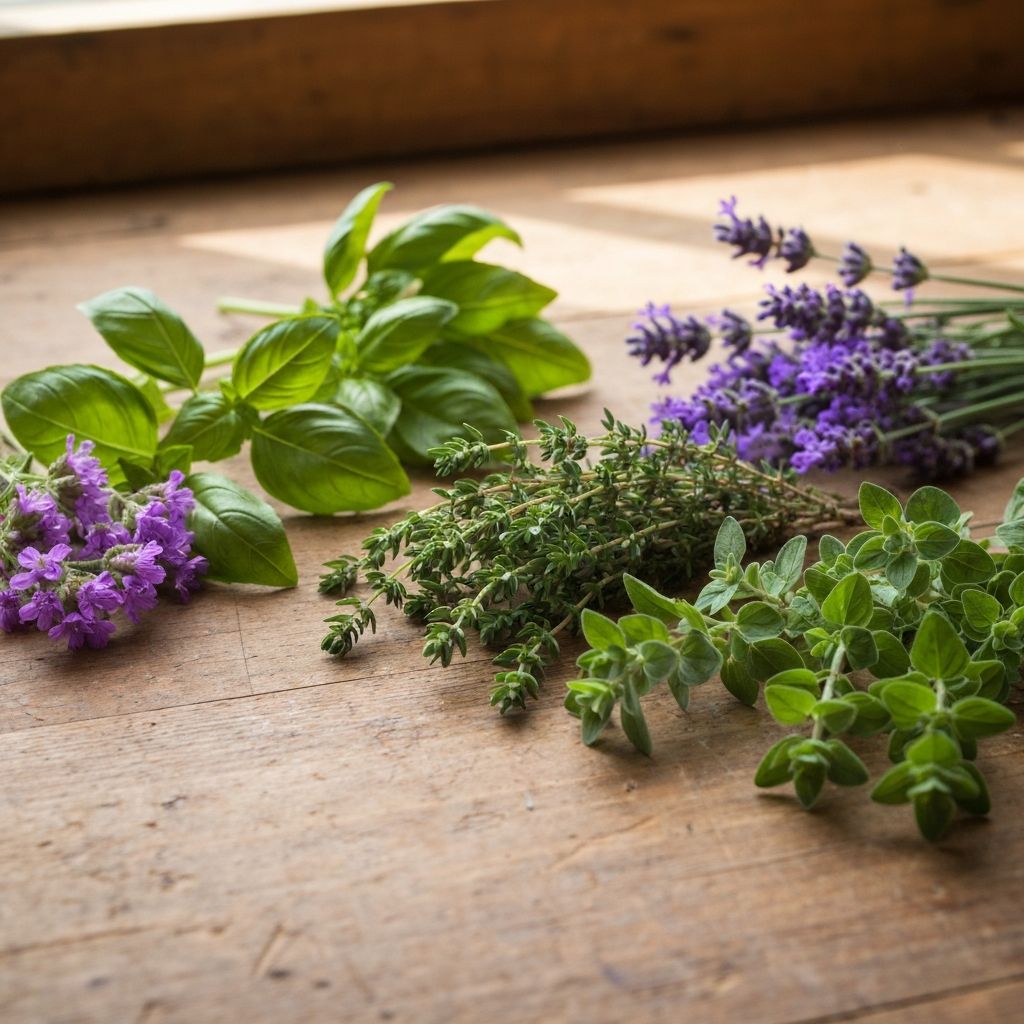
Many cultures have documented the use of specific herbs in daily routines. Plants like ginseng, ashwagandha, and ginkgo biloba have been studied for their chemical composition and historical significance.
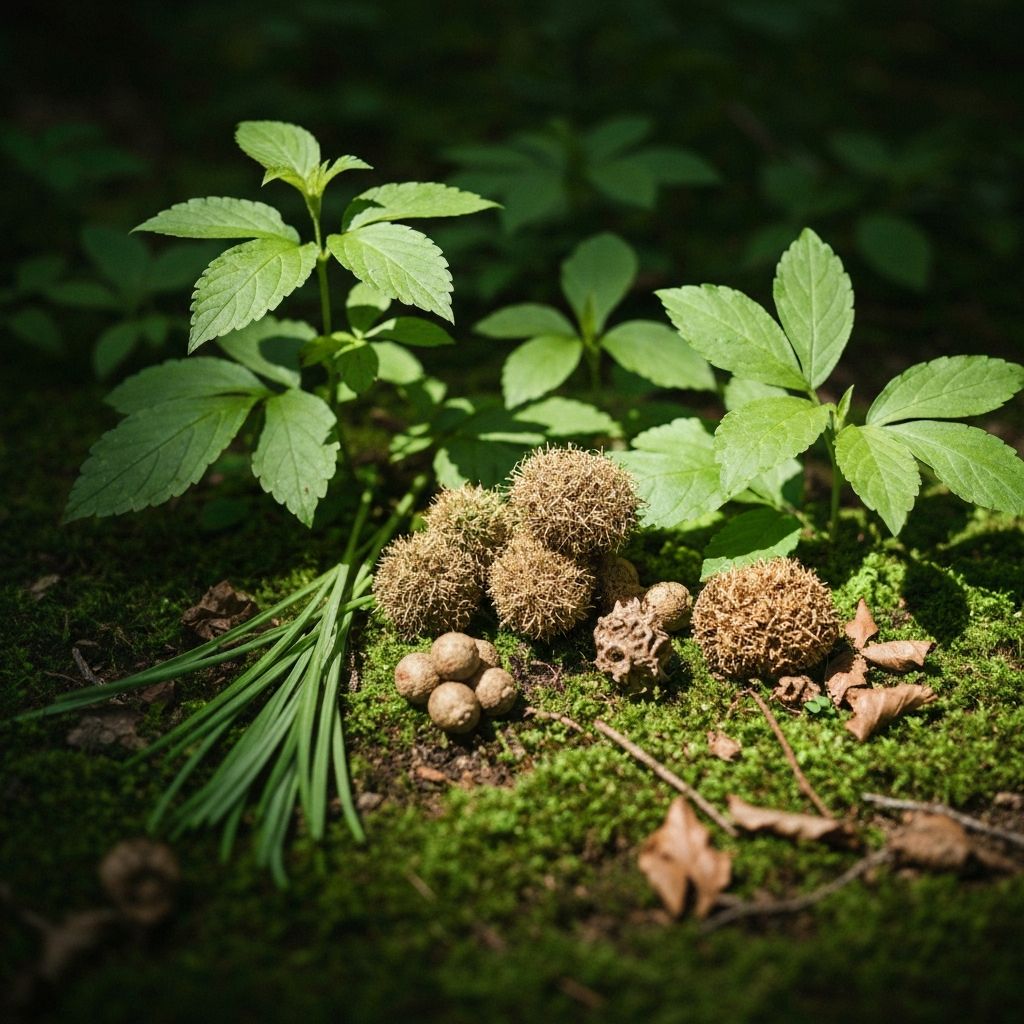
Botanical extracts are obtained through various processes including steam distillation, cold pressing, and solvent extraction. Each method preserves different compounds from the plant material.
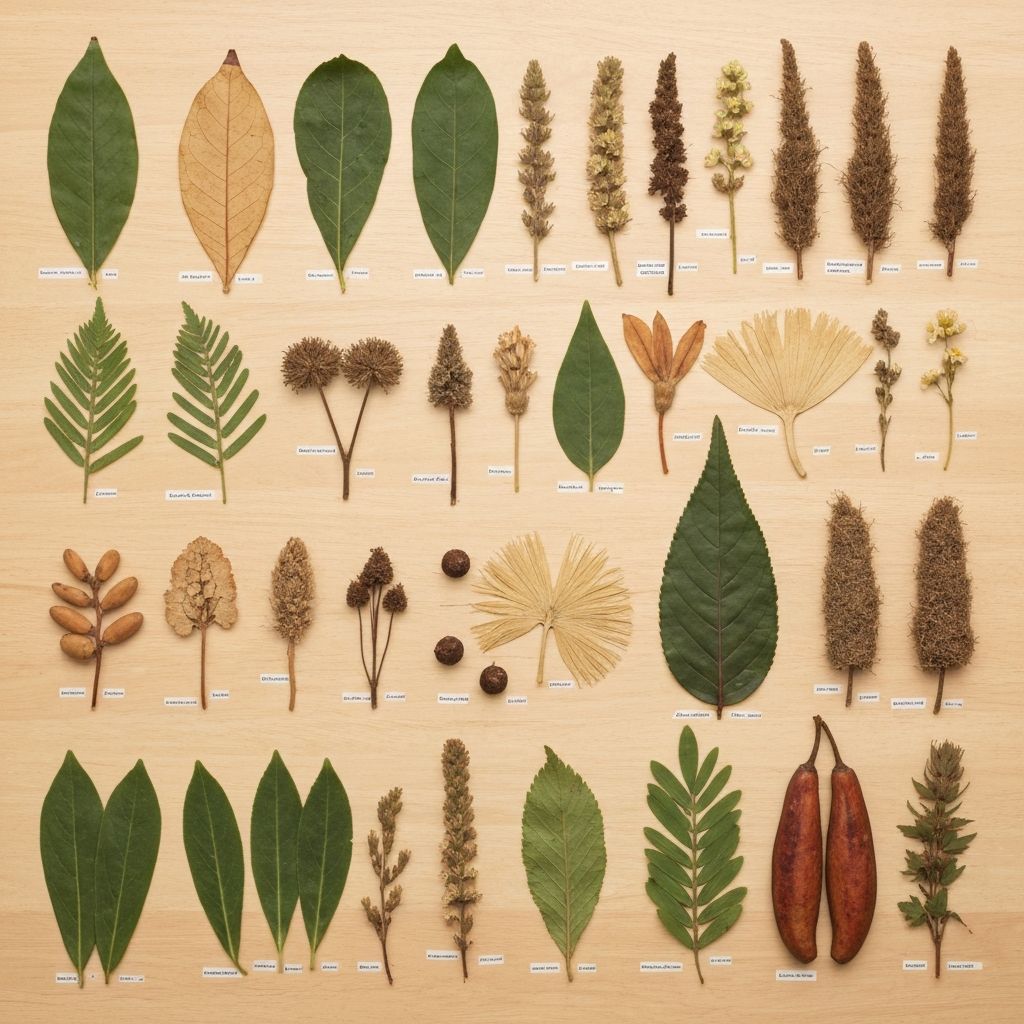
Plants contain various phytochemicals such as flavonoids, alkaloids, and terpenes. Scientists study these compounds to understand their properties and interactions with biological systems.
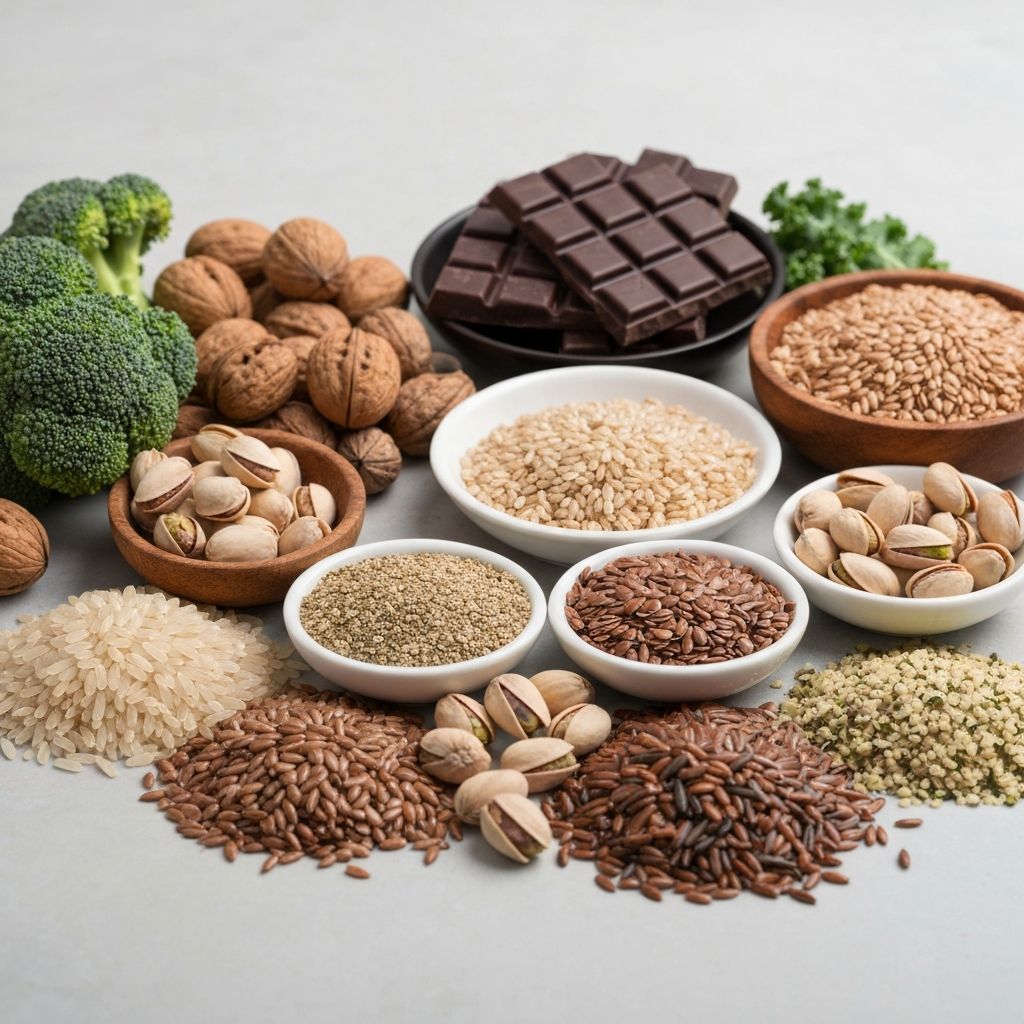
Micronutrients are essential compounds required in small amounts for various bodily functions. For men, certain vitamins and minerals have been particularly studied in nutritional science.
A trace mineral found in oysters, beef, pumpkin seeds, and legumes. It plays a role in numerous enzymatic processes throughout the body.
Present in leafy greens, nuts, and whole grains. Involved in over 300 biochemical reactions in the human body.
A group of water-soluble vitamins including B6, B12, and folate. Found in various foods including fish, poultry, eggs, and fortified grains.
Synthesized through sun exposure and found in fatty fish and fortified foods. Important for calcium absorption and bone structure.
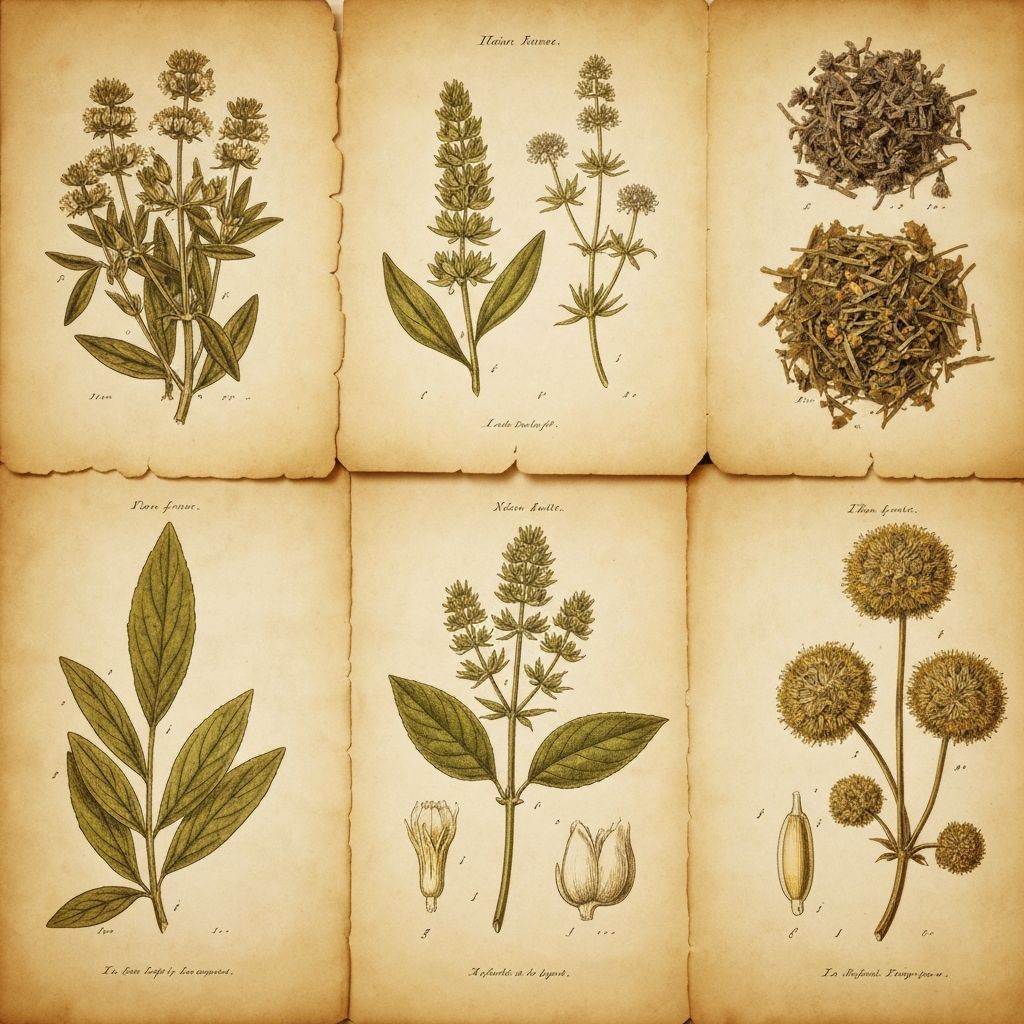
Throughout history, different civilizations have documented their observations of plant properties. This knowledge has been passed down through written texts, oral traditions, and cultural practices.
Ancient Greek scholars wrote about various plants in their natural philosophy texts. Traditional Chinese records dating back thousands of years catalog hundreds of botanical species. Indian Ayurvedic texts describe the characteristics of numerous herbs.
In medieval Europe, monastery gardens cultivated specific plants, and herbals illustrated their identification and traditional uses. These historical documents provide insight into how different cultures understood and categorized the natural world.
Modern ethnobotany studies these traditional knowledge systems, examining the scientific basis behind historical observations and documenting cultural practices related to plants.
Maintaining daily balance involves multiple factors. Below are general concepts that have been discussed in lifestyle and wellness literature.
Regular movement and exercise are widely recognized aspects of a balanced lifestyle. Different forms of activity suit different individuals and life stages.
Eating patterns vary across cultures and individuals. A balanced approach typically includes diverse whole foods, adequate protein, healthy fats, and complex carbohydrates.
Sleep patterns and rest periods are individual. Quality rest has been studied extensively in relation to overall daily functioning.
Different cultures have developed various practices for managing daily pressures, from meditation to physical exercise to social connection.

Contemporary urban environments differ significantly from the natural settings in which humans evolved. Factors like artificial lighting, noise levels, and reduced green space characterize modern city life.

Sedentary work environments and screen time have become common. Research explores the relationship between prolonged sitting, artificial light exposure, and various aspects of daily functioning.
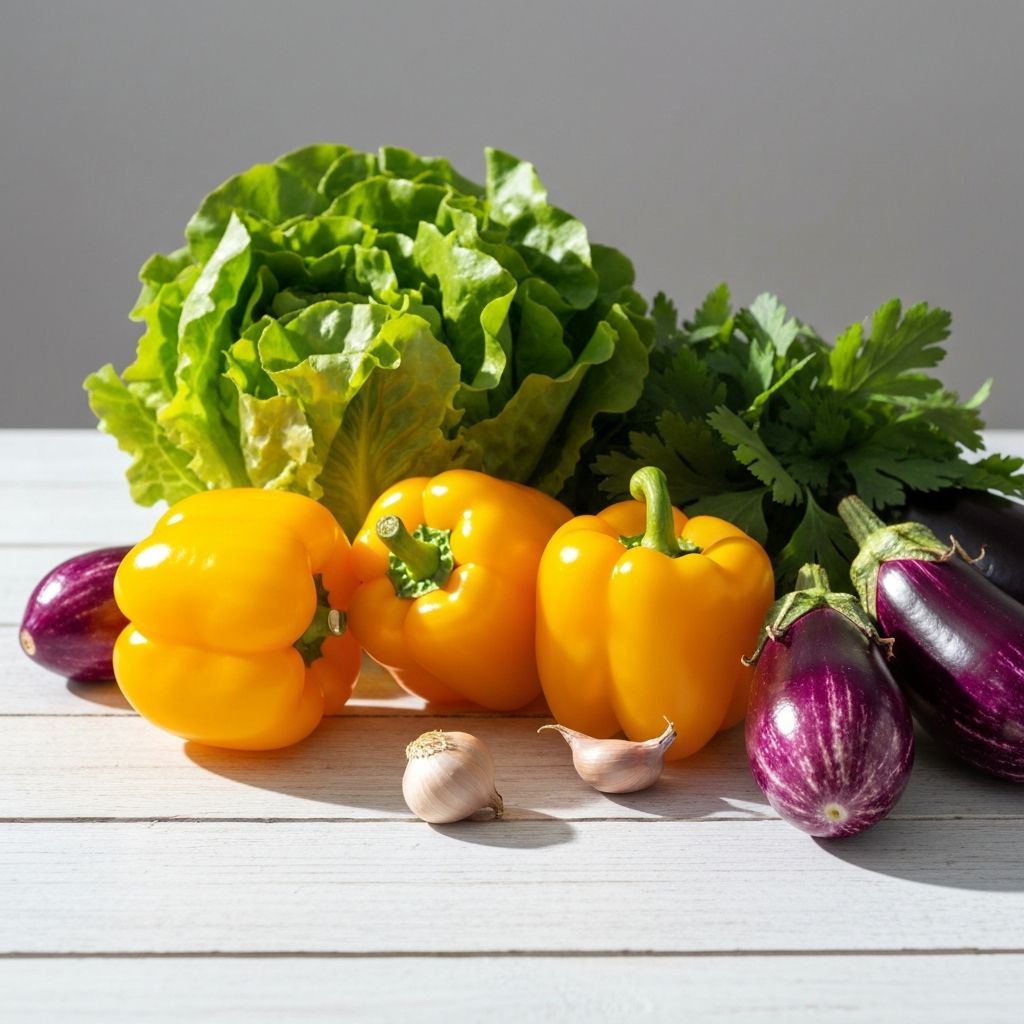
Modern food production and processing differ from traditional methods. Understanding these changes helps contextualize contemporary nutritional discussions.

Water is fundamental to all biological processes. Adequate fluid intake supports numerous bodily functions, from temperature regulation to nutrient transport.
Individual hydration needs vary based on factors like body size, activity level, climate, and overall routine. General guidelines exist, but personal requirements differ.
Establishing consistent daily routines has been studied in behavioral science. Regular sleep schedules, meal timing, and activity patterns may influence various aspects of daily life.
These routine elements interact with each other. For example, physical activity patterns may influence rest quality, which in turn may affect energy levels and food choices.
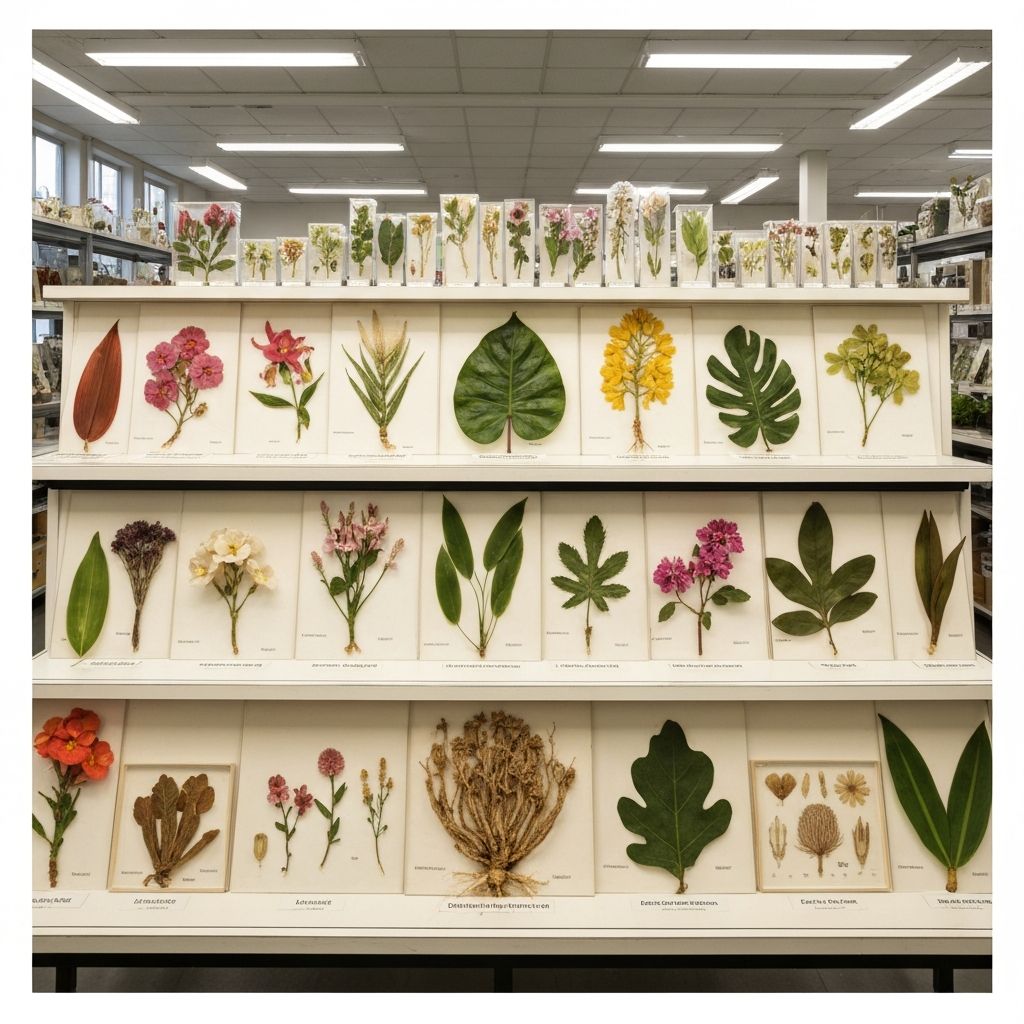
Botanical research occurs worldwide, with different regions contributing unique insights based on their indigenous flora and traditional knowledge systems.
South American rainforests contain thousands of plant species, many of which have been used traditionally by indigenous peoples. Asian countries have documented extensive pharmacopeias spanning millennia. African traditional knowledge includes hundreds of plant applications.
European botanical gardens and research institutions have cataloged plant species from around the world. North American research combines indigenous knowledge with contemporary scientific methods.
International collaboration in ethnobotany helps preserve traditional knowledge while applying modern analytical techniques to understand plant chemistry and properties.
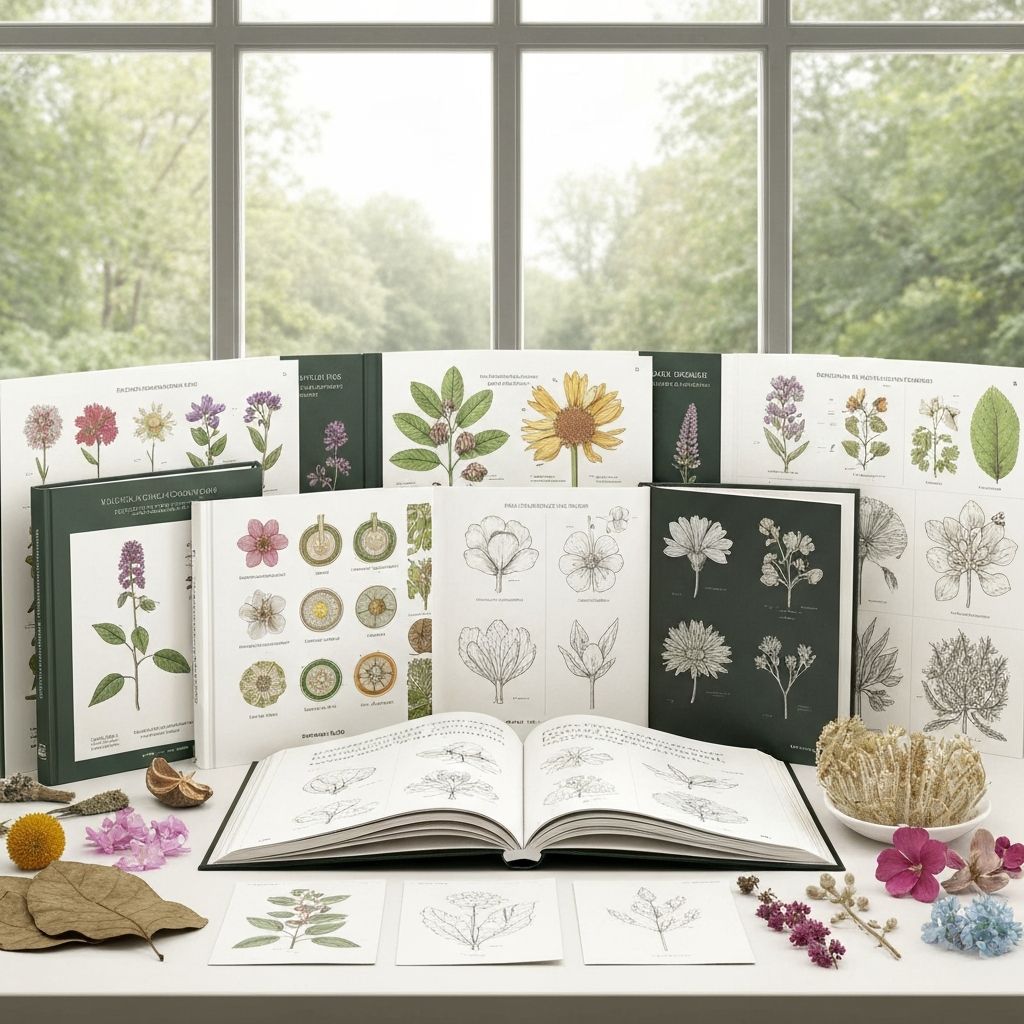
This resource has explored various aspects of botanical science, nutritional components, and lifestyle factors. The information presented draws from historical documentation, cultural traditions, and contemporary research.
Key themes include the diversity of plant compounds, the role of micronutrients in daily nutrition, historical uses of various botanicals, and the context of modern living environments.
Understanding these topics can inform personal exploration and learning. Each individual's circumstances, preferences, and choices are unique.
This platform serves as an educational starting point, not as a source of personal recommendations or guidance.
This website provides educational information only. The content describes botanical concepts, nutritional science, and historical practices for informational purposes.
This resource does not provide personalized recommendations, individual guidance, or specific advice for any person's circumstances. The information should not replace consultations with qualified professionals regarding personal decisions.
Approaches to lifestyle, nutrition, and wellbeing vary greatly among individuals and cultures. What is discussed here represents general knowledge and historical context, not directives or prescriptions.
Readers should make their own informed decisions based on their unique situations, preferences, and access to qualified professionals in relevant fields.
For more details, please review our Health Disclaimer.
Explore additional pages to learn more about this educational project and the context of natural botanical knowledge.
Learn About This Project Get in Touch